 The BMT Guarantee
 Residential case study
 Commercial case study



Newsletter
The property details that can add thousands to a depreciation claim
A tax depreciation schedule can appear straightforward. It outlines deductions for the building structure and eligible assets, providing the figures required at tax time.
Behind those figures, however, sits a detailed assessment. Two similar properties can produce very different depreciation outcomes depending on the information available.

The finer details shaping the schedule
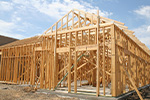
A property's construction date helps determine what capital works deductions may be available, but the construction method can also influence the claim. For example, a timber-framed house with cladding will have a different construction cost to a similarly sized property built with a steel frame and brick veneer. Capital works deductions are based on construction costs, so these differences will affect the outcome.
Renovation history will also have a significant impact. Bathroom upgrades, new flooring and replaced appliances all affect depreciation, depending on what work was completed, when it occurred and who paid for it.
Asset classification is another important factor. A kit garden shed may be treated as plant and equipment, while a permanently constructed shed with electrical services may be treated as capital works. While both may serve the same purpose, the construction, installation and connected services can change how the deduction is claimed.
This distinction matters because eligible plant and equipment assets are depreciated over their effective life, which is often shorter, while capital works are generally claimed over 40 years at 2.5 per cent per year. Timing also matters. The settlement date and the date the property first became available for rent help determine the claim available in the first financial year. Incorrect dates can result in deductions being missed or understated.
What an inspection can reveal
A physical site inspection allows us to identify details that may not appear in property records or sales documentation. Fixtures, finishes, outdoor structures, common property and signs of previous improvements can often only be accurately assessed in person.
This is particularly valuable when investors have incomplete information about a property's history. Details provided by agents, vendors or property managers may not capture every improvement or depreciable asset, while a physical inspection can uncover items that might otherwise be overlooked such as footings, electrical works and new roofing. Missing these items may equate to thousands of dollars in unclaimed deductions each year, which is why the Australian Institute of Quantity Surveyors (AIQS) strongly recommends completing a full site inspection.
It also strengthens compliance by capturing supporting evidence, ensuring the schedule is based on property-specific observations rather than assumptions.
The evidence behind the claim
The accuracy of a depreciation schedule depends on the information available. Contracts, settlement documents, construction details, renovation records, site inspection photos and rental information all help support a well-prepared assessment.
The goal is to produce a maximised schedule that reflects the property's circumstances and is supported by evidence.
For a depreciation schedule prepared using property-specific information and accurate asset classification, contact BMT Tax Depreciation on 1300 728 726 or Request a Quote.