 The BMT Guarantee
 Residential case study
 Commercial case study



Newsletter
From paddock to profit: Depreciation benefits of Agritech in large-scale beef farming
Australia's agricultural sector is a critical pillar of the national economy, renowned not only for it's scale and export capacity but increasingly for it's adoption of innovative technologies.
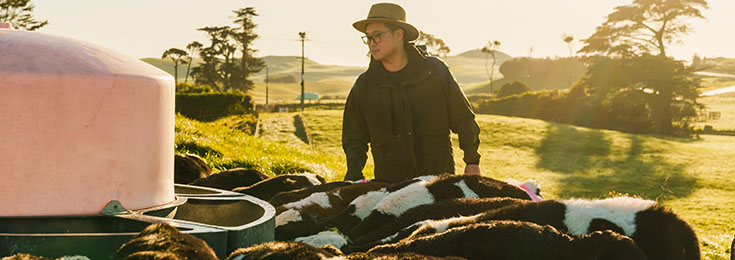
Among its rural industries, beef production stands as the most valuable, both in terms of farmgate returns and international market reach. As global demand for traceable, high-quality protein continues to rise, the integration of agricultural technology (agritech) is playing a transformative role in driving operational efficiency, profitability and long-term sustainability, particularly across Australia's largest cattle operations.
Beef is Australia's leading agricultural commodity, contributing over $14 billion in annual farmgate value and supporting one of the world's most advanced supply chains. The sector comprises diverse production systems, from intensive feedlots to extensive rangelands, spanning millions of hectares.
Australian cattle stations are globally distinctive in scale. Properties such as Anna Creek Station, South Australia, exceed 23,000 square kilometres, with many pastoral enterprises managing herds of 40,000 to 100,000 head. These operations compete on volume and efficiency, but must also navigate labour shortages, water insecurity and environmental variability, challenges that agritech is increasingly positioned to address.
Agritech in beef operations
Over the past decade, the beef industry has seen significant capital allocation toward technology designed to improve livestock productivity, infrastructure monitoring and resource allocation. The following innovations have gained widespread traction across commercial operations:
1. Remote water infrastructure monitoring
IoT-enabled water level sensors connected to solar-powered telemetry systems send data at regular intervals to the cloud or software dashboard allowing station managers to monitor troughs, tanks and bores in real time. These systems reduce the need for manual inspections across remote paddocks, lower labour costs and mitigate livestock risk from undetected water outages.
2. GPS-enabled livestock tracking
Selective GPS collars, applied to representative samples of a herd, provide data on cattle movement, grazing intensity and behaviour. These insights enable producers to improve mustering efficiency, monitor animal welfare and optimise land use patterns over vast pastoral pieces of land.
3. Drone-assisted mustering and surveillance
Drones are now standard across many large-scale operations, performing both active mustering and passive aerial surveillance. Their use has improved worker safety, reduced reliance on helicopters and enhanced asset inspections, particularly in hard-to-access terrain.
4. Satellite pasture mapping
Satellite imaging services provide biomass data and feed-on-offer modelling that allow producers to plan grazing rotations, destock during dry periods and benchmark carrying capacity. These tools improve feed efficiency and mitigate the effects of drought through more informed decision-making.
5. Farm management software
Digital platforms such as AgriWebb and MaiaGrazing consolidate livestock, paddock and treatment records into a centralised, cloud-based interface. They improve recordkeeping accuracy and support compliance, while enabling strategic benchmarking and productivity analysis.
Depreciation of agritech assets
In addition to improving operational efficiency, agritech investments can deliver significant tax benefits through depreciation. Under Australian tax law, all of these assets are eligible for depreciation deductions, which allow producers to claim part of the asset's cost each year as a tax-deductible expense. These deductions reduce the business's taxable income over time, improving cash flow and supporting reinvestment into further upgrades.
BMT Tax Depreciation recently completed a comprehensive depreciation schedule for a privately held Australian mega farm spanning 3.4 million acres and running 40,000 head of cattle in the Northern Territory. The commercial enterprise supplies both live export and boxed beef markets.
Following a change in ownership, the new operators implemented a series of infrastructure and technology upgrades to meet growing demand. These improvements generated substantial depreciation deductions, delivering a significant boost to the business's bottom line.
Table 1. Depreciation deductions on upgrades for beef cattle farm
| Asset | Total value | 1st year deductions | 1st 5 year cumulative |
| 40-F | |||
| Fences | $3,285,000 | $3,285,000 | $3,285,000 |
| Fodder storage | $240,000 | $240,000 | $240,000 |
| Boreholes | $750,000 | $750,000 | $750,000 |
| Water tanks | $5,000 | $5,000 | $5,000 |
| Troughs | $550,000 | $550,000 | $550,000 |
| Pipelines | $412,500 | $412,500 | $412,500 |
| Solar pumps | $51,000 | $51,000 | $51,000 |
| Div 40 | |||
| Solar panels | $10,000 | $500 | $2,500 |
| Sheds | $518,000 | $12,950 | $64,750 |
| ATV | $129,000 | $25,800 | $129,000 |
| Motorbikes | $60,000 | $12,000 | $60,000 |
| Trailers | $305,000 | $61,000 | $305,000 |
| GPS tracking collars | $4,050,000 | $1,350,000 | $4,050,000 |
| Drones | $25,000 | $8,333 | $25,000 |
| Div 43 | |||
| Helicopter hangar upgrade | $102,000 | $2,550 | $12,750 |
| Helipad upgrade | $123,640 | $3,091 | $15,455 |
| Total depreciation deductions | $10,616,140 | $6,769,724 | $9,957,955 |
For high-turnover operations, these depreciation deductions can significantly reduce taxable income, improve cash flow and support reinvestment into new technologies.
Section 40F allows primary producers to claim accelerated depreciation for eligible assets used in their operations. The rules were introduced to support investment in farm infrastructure by allowing faster tax write-offs.
With over 60 per cent of Australian beef destined for export, agritech plays a critical role in meeting international standards for sustainability, traceability and animal welfare. Technologies that support live data collection, environmental monitoring and digital compliance position Australian producers as global leaders in responsible protein production.
The integration of advanced technology with strategic depreciation planning is transforming day-to-day farm management while strengthening long-term financial sustainability, enabling producers to align operational upgrades with tax-effective capital investment strategies that enhance cost efficiency, scale and productivity.
For expert advice on property tax deductions available for agricultural farms, contact BMT Tax Depreciation on 1300 268 628 or Request a Quote.