

 The BMT Guarantee
 Residential case study

 Commercial case study

Hotel depreciation: Why hotel properties often produce high deductions


First published 13 October 2026


Hotel properties are among the most depreciation-rich assets in the Australian property market. Unlike many traditional commercial investments, hotels contain a high concentration of removable assets, specialised fit-outs and capital-intensive infrastructure, all of which can generate substantial tax deductions over time.
For investors, owners and operators, understanding hotel depreciation is critical. A properly prepared tax depreciation schedule can significantly improve cash flow, reduce taxable income and uncover deductions that are often overlooked in hospitality assets.
This article explores why hotel depreciation deductions are typically so high, the assets that drive these claims and the role refurbishment cycles play in maximising long-term deductions.
- Why hotels are highly depreciable assets
- Understanding hotel depreciation categories
- Freehold vs leasehold: Does ownership structure affect depreciation?
- Asset intensity drives higher deductions
- Specialised facilities increase depreciation potential
- Refurbishment cycles create ongoing depreciation benefits
- Scrapping deductions are often overlooked
- Why specialist depreciation advice matters for hotels
- How hotel depreciation can significantly improve cash flow
- The bottom line
Why hotels are highly depreciable assets
Not all commercial properties are equal from a depreciation perspective. Office buildings, warehouses and industrial facilities often contain relatively simple fit-outs and lower asset density. Hotels are different.
A hotel combines multiple income-producing environments within a single property, including:
- Accommodation rooms
- Commercial kitchens
- Restaurants and bars
- Gyms and wellness areas
- Swimming pools and spas
- Conference facilities
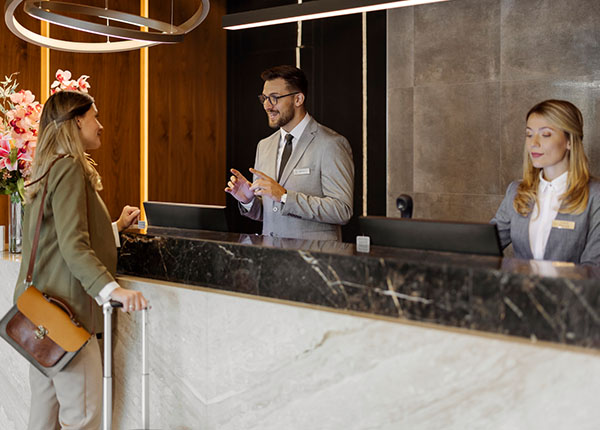
- Lobbies and common areas
- Back-of-house operations
Each of these spaces contains depreciable assets and structural elements that may qualify for deductions under either Division 40 or Division 43 of the Income Tax Assessment Act.
The result is a property type with substantial depreciation potential across both capital works and plant and equipment assets.
Understanding hotel depreciation categories
Hotel depreciation claims generally fall into two categories.
Division 43 – Capital works deductions
Division 43 relates to the building structure and permanently fixed items.
Examples include:
- Walls and ceilings
- Roofing
- Tiling
- Fixed cabinetry
- Concrete works
- Structural refurbishments
- Built-in bars and reception counters
Hotel capital works deductions may be available at 2.5 per cent a year for forty years or 4 per cent a year for twenty-five years, depending on the construction date and building use.
Given the scale and complexity of hotel construction, capital works deductions alone can be significant.
Division 40 – Plant and equipment assets
Plant and equipment assets are typically where hotel depreciation becomes particularly valuable.
These assets generally include removable or mechanical items such as:
- Furniture
- Beds and mattresses
- Televisions
- Commercial kitchen equipment
- Gym equipment
- Split system air-conditioning systems
- Lift systems and components
- Pool filtration systems
- Certain lighting assets
- Window furnishings
- Audio visual systems
Because hotels contain a very high volume of these assets, plant and equipment deductions can substantially exceed those found in many other commercial property classes.
Freehold vs leasehold: Does ownership structure affect depreciation?
Who can claim plant and equipment and capital works deductions depend on how the hotel is owned and operated.
A freehold hotel generally includes ownership of both the land and building. The owner may be able to claim eligible deductions where the property is used to produce assessable income.
In a leasehold arrangement, the operator leases the property rather than owning the land and building. Entitlement depends on the lease terms, who holds the assets and who incurred the construction or fit-out costs. An operator that pays for eligible improvements or plant and equipment may be able to claim deductions even if it does not own the building.
A specialist quantity surveyor can review these arrangements and help identify and classify eligible deductions.
Asset intensity drives higher deductions
One of the primary reasons hotel depreciation deductions are so high is asset intensity.
Hotels contain thousands of individual depreciable items spread across guest rooms, dining facilities, common areas and operational spaces. A single hotel room, for example, may contain depreciable assets ranging from carpet and furniture to appliances and air-conditioning units.
Hotels are also FF&E-heavy environments, with substantial investment in furniture, fixtures and equipment such as beds, lounges, dining furniture, window furnishings and conference equipment. Many of these assets have shorter effective lives than structural building elements, which can result in higher depreciation deductions in the earlier years of ownership.
When these assets are multiplied across dozens or hundreds of rooms and shared facilities, the depreciation value can become substantial. This level of asset density is uncommon in many other commercial investments and is a key reason hotel depreciation schedules can produce significant deductions.
Specialised facilities increase depreciation potential
Hotels often contain specialised facilities that add considerably to their depreciation potential. Commercial kitchens, swimming pools, lifts, gyms and wellness facilities can represent substantial investment in both structural works and plant and equipment assets.
Commercial kitchens, for example, contain high-value equipment such as refrigeration, cooking and exhaust systems, while pools incorporate structural components alongside pumps, filtration and heating equipment. Lifts are another significant mechanical asset, and hotel gyms can contain a concentration of depreciable equipment and specialised fit-outs.
Many of these assets have shorter effective lives than the building structure, allowing their value to be depreciated more quickly. They may also be replaced or upgraded more frequently due to intensive use, operational requirements and changing guest expectations.
For hotel investors, these specialised facilities can therefore contribute significantly to capital works and plant and equipment deductions while creating further depreciation opportunities when assets are replaced during future refurbishments.
Refurbishment cycles create ongoing depreciation benefits
Hotels rarely remain unchanged for long periods. Unlike many office or industrial assets, hotels operate in a highly competitive environment where presentation and guest experience directly affect revenue.
As a result, refurbishment cycles are common.
Typical hotel refurbishments may include:
- Room upgrades
- Bathroom renovations
- Carpet replacement
- Furniture replacement
- Technology upgrades
- Lobby redesigns
- Restaurant refurbishments
- Gym modernisation
These projects can significantly increase future depreciation deductions.
Just as importantly, removed assets may qualify for scrapping deductions.
Scrapping deductions are often overlooked
When older assets are removed during a refurbishment, owners may be entitled to immediately claim the remaining un-deducted value of those assets.
This process is known as scrapping.
In hotels, scrapping opportunities are often substantial because refurbishments regularly involve the removal of:
- Furniture
- Flooring
- Kitchen equipment
- Air-conditioning systems
- Lighting
- Bathroom assets
- Joinery
- Decorative fit-outs
Without a properly prepared depreciation schedule, these deductions are frequently missed.
For large hotel refurbishments, scrapping claims alone can result in significant immediate tax benefits.
Why specialist depreciation advice matters for hotels
Hotel depreciation is considerably more complex than standard residential property depreciation.
The volume of assets, mixed-use environments and refurbishment activity create significant opportunities for error if claims are not properly assessed.
Common mistakes include:
- Incorrect asset classification
- Missing plant and equipment items
- Failing to identify refurbishment deductions
- Overlooking scrapping opportunities
- Using inaccurate effective lives
- Missing ancillary assets within common areas
Because of this complexity, specialist quantity surveyors play a critical role in identifying and maximising eligible deductions while maintaining compliance with ATO requirements.
A detailed site inspection is particularly important in hotel properties due to the sheer number of depreciable components that may otherwise be overlooked.
How hotel depreciation can significantly improve cash flow
For investors and operators, hotel depreciation is not simply an accounting exercise. It can materially improve after-tax cash flow outcomes.
High depreciation deductions may:
- Reduce taxable income
- Improve holding cash flow
- Increase investment yield
- Support refurbishment planning
- Improve feasibility modelling
- Enhance long-term investment performance
Given the scale of deductions often available, failing to obtain a professional depreciation schedule can mean leaving substantial tax benefits unclaimed. Recent BMT Tax Depreciation Schedules show how first financial year deductions can differ across accommodation property types.
| Property type | First financial year depreciation deduction |
| Small motor inn | $74,500 |
| Motel | $109,100 |
| Boutique accommodation | $212,750 |
| Medium hotel | $595,632 |
| Large chain hotel | $1,587,258 |
Figures are based on individual BMT Tax Depreciation Schedules and are provided as examples only. Actual deductions will vary depending on the property and its circumstances. The diminishing value method has been applied to eligible plant and equipment assets, with simplified depreciation rules applied where relevant.
The bottom line
Hotel properties often produce high depreciation deductions because they combine large-scale structural works with extremely asset-intensive environments.
Commercial kitchens, pools, lifts, gyms and FF&E-heavy fit-outs all contribute to significant capital works and plant and equipment deductions. Frequent refurbishment cycles further increase opportunities through new depreciation claims and scrapping deductions.
Due to the complexity and scale of hotel assets, accurate depreciation reporting requires specialist expertise and detailed site inspections.
A BMT Tax Depreciation Schedule identifies eligible hotel depreciation deductions through a detailed assessment of the property, helping owners and investors claim accurately and compliantly.
Contact BMT Tax Depreciation on 1300 728 726 or Request a Quote to find out what depreciation deductions may be available for your hotel property.
Connect with us
Stay up to date
Subscribe to receive the latest
BMT news and announcements.